
Skinfinity Aesthetics Articles
Masseter Botox for Jaw Slimming and TMJ: Cost, Units and Results
TL;DR: Masseter Botox relaxes the big chewing muscle at the back of your jaw. It’s used to slim a square jawline and to ease clenching and grinding. Most people need 20 to 30 units per side, which costs about $360 to $540 at our $8.99 per unit. Results peak around 3 months and last 6 to 12 months. TMJ pain evidence is mixed, so get it diagnosed first.
You notice it in photos first. Your jaw looks wider than you remember. Or you wake up with a dull ache because you clenched your teeth all night.
That’s usually the masseter at work. And masseter Botox is one of the most common treatments people ask me about at my Mississauga clinic.
The problem is that most of what you’ll read online is either a sales pitch or a scary story. You’ll see “slim your face in one visit” on one site and “Botox gone wrong” on the next. Neither helps you decide.
So here’s the honest version. In this guide, I’ll walk you through what masseter Botox actually does, how many units you’re likely to need, what it costs in Mississauga, and how long results last. I’ll also be upfront about what the research says about TMJ pain, because it’s not as clear-cut as many clinics suggest. By the end, you’ll know whether it’s worth booking a consultation or not.
What Is Masseter Botox and How Does It Work?
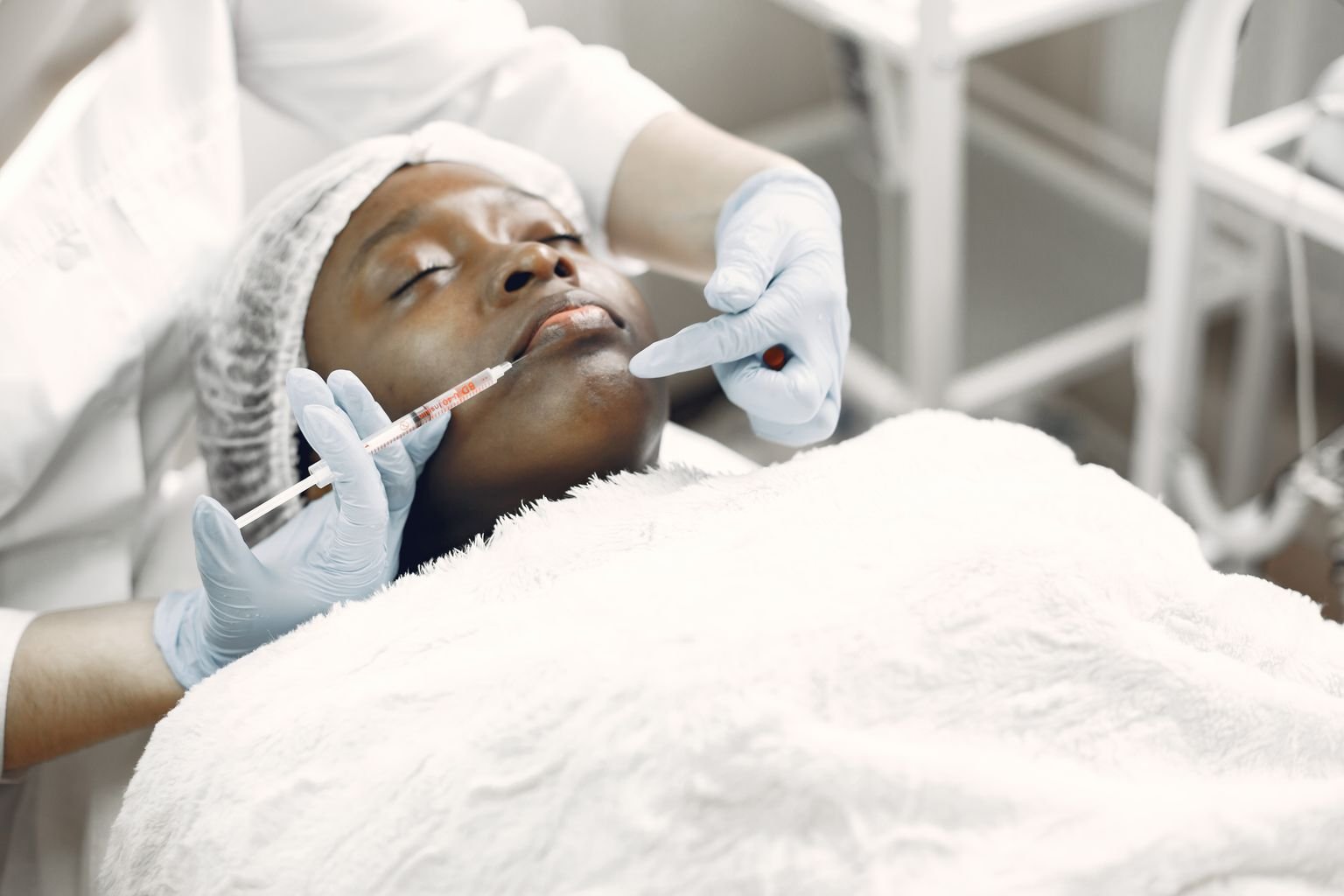
Masseter Botox is an injection of botulinum toxin into the masseter, the thick muscle you can feel bulge at the back of your jaw when you clench. The toxin relaxes the muscle so it works less. Over time, a muscle that works less gets smaller, which softens a square jaw and eases clenching.
Think of it like a muscle that’s been going to the gym every night. When you clench or grind in your sleep, the masseter gets a workout. Over months and years, it can grow bigger and give your lower face a wider, squarer look.
Researchers have linked an enlarged masseter to clenching, grinding, bite problems and TMJ issues, and it can also make the face look uneven. Genetics plays a part too. Some people simply have a broader jaw muscle from the start.
People usually come to me with one of two goals:
- Jaw slimming. They want a softer, more V-shaped or oval lower face.
- Clenching or grinding relief. They want less jaw tension, fewer headaches in the temples, or less wear on their teeth.
Often it’s both. The good news is that the same treatment works on both goals at once.
How Many Units of Botox Do You Need for Your Masseter?
Most people need about 20 to 30 units of Botox per side, so 40 to 60 units in total. One clinical guide based on 680 patients and over 2,000 treatments recommends 20 to 30 units per side for an average-sized muscle. Larger muscles may need more.
There’s no single “right” number. A 2022 review of 14 studies in the Journal of Cosmetic Dermatology found that researchers couldn’t agree on one ideal dose. That’s because muscle size, ethnicity and measuring methods varied so much between studies.
Here’s what changes your dose:
- Muscle size. A thick, strong masseter needs more units than a slim one.
- Your goal. Easing clenching can sometimes be done with a lighter dose. Visibly slimming a large muscle usually takes more.
- The two sides of your face. Most people’s masseters aren’t perfectly even. I often place a few more units on the bigger side.
At your consultation, I’ll have you clench while I feel the muscle. That tells me far more than any chart can.
How Much Does Masseter Botox Cost in Mississauga?
At Skinfinity Aesthetics, Botox is $8.99 per unit. A typical masseter treatment of 40 to 60 units costs about $360 to $540 before HST. At the usual GTA rate of $10 to $15 per unit, the same dose would cost about $400 to $900.
Here’s how the math works at our price:
| Total units | Cost at $8.99 per unit (before HST) |
|---|---|
| 40 units (20 per side) | $359.60 |
| 50 units (25 per side) | $449.50 |
| 60 units (30 per side) | $539.40 |
A few things to keep in mind:
- Consultation: Your first visit is a $25 consultation, so we can check your muscle, your bite and your goals before any needles come out.
- HST: HST is added on top of the prices above.
- Yearly cost: Early on, treatment is often repeated every 3 to 6 months, so budget for more than one session in your first year.
If you want to understand per-unit pricing in more depth, I’ve broken down how Botox pricing works in a separate guide. And if you’ve been quoted a high flat fee somewhere else, my article on whether $600 is a lot for Botox will help you compare.
When Will You See Results, and How Long Do They Last?
Most people feel their chewing muscles get softer within the first few weeks. Visible jaw slimming takes longer, because the muscle has to shrink. A 2022 review of 14 studies found results peak around 3 months and last roughly 6 to 12 months.
Here’s a rough timeline:
- Weeks 1 to 4: Clenching eases. Some people notice their jaw feels a little weaker when chewing, starting 1 to 4 weeks after treatment.
- Months 1 to 3: The muscle slowly shrinks. Your jawline starts to look softer in photos.
- Around month 3: This is usually when you’ll see the peak slimming effect.
- Months 6 to 12: The effect gradually fades as the muscle starts working again.
Patience matters here. Masseter Botox isn’t like forehead Botox, where the goal is simply smoother lines. You’re waiting for a muscle to get smaller, and that takes time.
To keep results, repeat sessions are often needed. One clinical guide suggests repeating every 3 to 6 months in the early stage. Many people can space treatments further apart once the muscle has slimmed down. For a wider look at longevity, see my guide on how long Botox lasts.
Masseter Botox for TMJ and Teeth Grinding: What the Research Actually Says
This is where I want to be straight with you, because a lot of clinic websites aren’t.
For grinding and clenching, the research is fairly encouraging. A 2024 systematic review of 9 clinical trials with 137 people looked at Botox for sleep bruxism, which is grinding or clenching your teeth during sleep. In one trial, grinding episodes dropped from 4.97 to 1.70 per hour. Some trials also reported less jaw stiffness and longer sleep. But the authors called these findings preliminary, because the studies were small and designed differently.
For TMJ pain, the picture is weaker. A 2024 meta-analysis of 14 trials with 395 patients found that Botox was not significantly better than a placebo injection for reducing TMJ pain at 1, 3 or 6 months.
So what does that mean for you?
- If your main problem is a wide jaw or clenching, masseter Botox is a reasonable option with decent evidence behind it.
- If your main problem is jaw joint pain, clicking or locking, see a dentist or TMJ specialist first. TMJ pain has many causes, like joint damage, bite problems or stress. Botox only targets the muscle.
I’d rather tell you this now than have you spend money on a treatment that isn’t right for your problem.
Side Effects and Risks to Know Before You Book
Masseter Botox is generally safe when it’s done by a trained injector. Most side effects are mild and temporary. Here’s what the data shows, based on one study of 680 patients:
- Chewing fatigue. This is the most common one, reported by 30% of patients. Tough foods like steak or gum may feel harder to chew. It usually returns to normal by about week 12.
- Paradoxical bulging. Rarely, part of the muscle bulges when you chew. It happened in 0.49% of cases and usually settled within about 10 days.
- Smile changes. If the toxin spreads to nearby smile muscles, your smile can look uneven for a while. One trial in a 2024 review reported cosmetic smile changes in 15.4% of patients. This is why placement matters so much.
- Jowling or sagging. This is rare, at about 0.2%, and it mostly happens in people over 40. Dermatologists note the risk is higher with loose skin, thin skin or age over 40, and some recommend starting with a lower dose in stages.
If you’re over 40 or have some skin laxity, I’ll talk you through a staged plan rather than one large dose.
Aftercare is simple. Avoid lying down, rubbing the area or heavy exercise for a few hours. You can read more about the 4 hour rule after Botox.
Is Masseter Botox Approved in Canada?
Not officially, and it’s worth knowing why. In Canada, Botox Cosmetic is approved for upper face lines and for platysma bands along the jawline and neck. The manufacturer applied for a masseter approval, but the application was cancelled in 2024 before Health Canada made a decision.
That makes masseter Botox “off-label” in Canada. Off-label means a medication is used in a way that isn’t listed on its official label. It’s legal and common, but it should be a medical decision made by a qualified professional who knows your health history.
The situation may change. In the United States, the FDA accepted an application for Botox Cosmetic for masseter prominence in August 2026.
Until then, this is one more reason to choose a medically supervised clinic. Be wary of any clinic that calls masseter Botox “Health Canada approved.” Based on the regulatory record, that isn’t accurate.
The Bottom Line on Masseter Botox
Masseter Botox works best for two things: slimming a wide jaw and easing clenching or grinding. Most people need 40 to 60 units, which is about $360 to $540 at our clinic. Expect the full effect at around 3 months and results that last 6 to 12 months.
If jaw joint pain is your main concern, get a proper diagnosis first. The evidence for TMJ pain is still mixed, and you deserve a treatment that fits your actual problem.
Ready to find out if it’s right for you? Book a $25 consultation through our Botox in Mississauga page. I’ll assess your muscle, talk through your goals and give you an honest recommendation, even if that recommendation is “not yet.”
Frequently Asked Questions
Does masseter Botox make your face look thinner?
It can make your lower face look slimmer if your jaw width comes from a large masseter muscle. As the relaxed muscle shrinks, the jawline softens, with the peak effect around 3 months. It won’t change bone structure or reduce fat.
Can masseter Botox cause jowls or sagging?
It’s rare. One large study reported jowling in about 0.2% of patients, mostly people over 40. The risk is higher with loose or thin skin, so a staged, lower-dose plan is often safer for older patients.
How often do you need masseter Botox?
Early on, many people repeat treatment every 3 to 6 months. Once the muscle has slimmed, results can last 6 to 12 months, so sessions can often be spaced further apart.
Does masseter Botox hurt?
Most people describe it as a quick pinch with each injection. The treatment itself only takes a few minutes. Some people feel mild tenderness at the injection sites for a day or two.
Can I chew normally after masseter Botox?
Yes, you can eat normally. About 30% of patients notice their chewing feels weaker for a while, especially with tough foods. This usually returns to normal by around 12 weeks.

Director, Aesthetician at Skinfinity Aesthetics
Request a Consultation
LIMITED APPOINTMENTS AVAILABLE