
Skinfinity Aesthetics Articles
Will Laser Hair Removal Get Rid of Folliculitis?
If you have dealt with recurring red bumps, persistent itching, or painful pustules around your hair follicles, you may be living with folliculitis. A lot of people assume it’s just a side effect of shaving they have to put up with, but for many it becomes a cycle that keeps repeating no matter what products they try or how careful they are.
The root problem is often the hair removal method itself. As long as you keep shaving or waxing, the skin keeps getting irritated, and the follicles keep flaring up. That’s the pattern laser hair removal can help break.
By reducing hair growth at the follicle level, laser treatments address the trigger rather than just the symptoms. At Skinfinity Aesthetics, a laser hair removal clinic based in Mississauga, clients dealing with chronic folliculitis are among the most common people seeking treatment. This guide covers how it works, who it suits, and what kind of results are actually realistic.
What is Folliculitis?
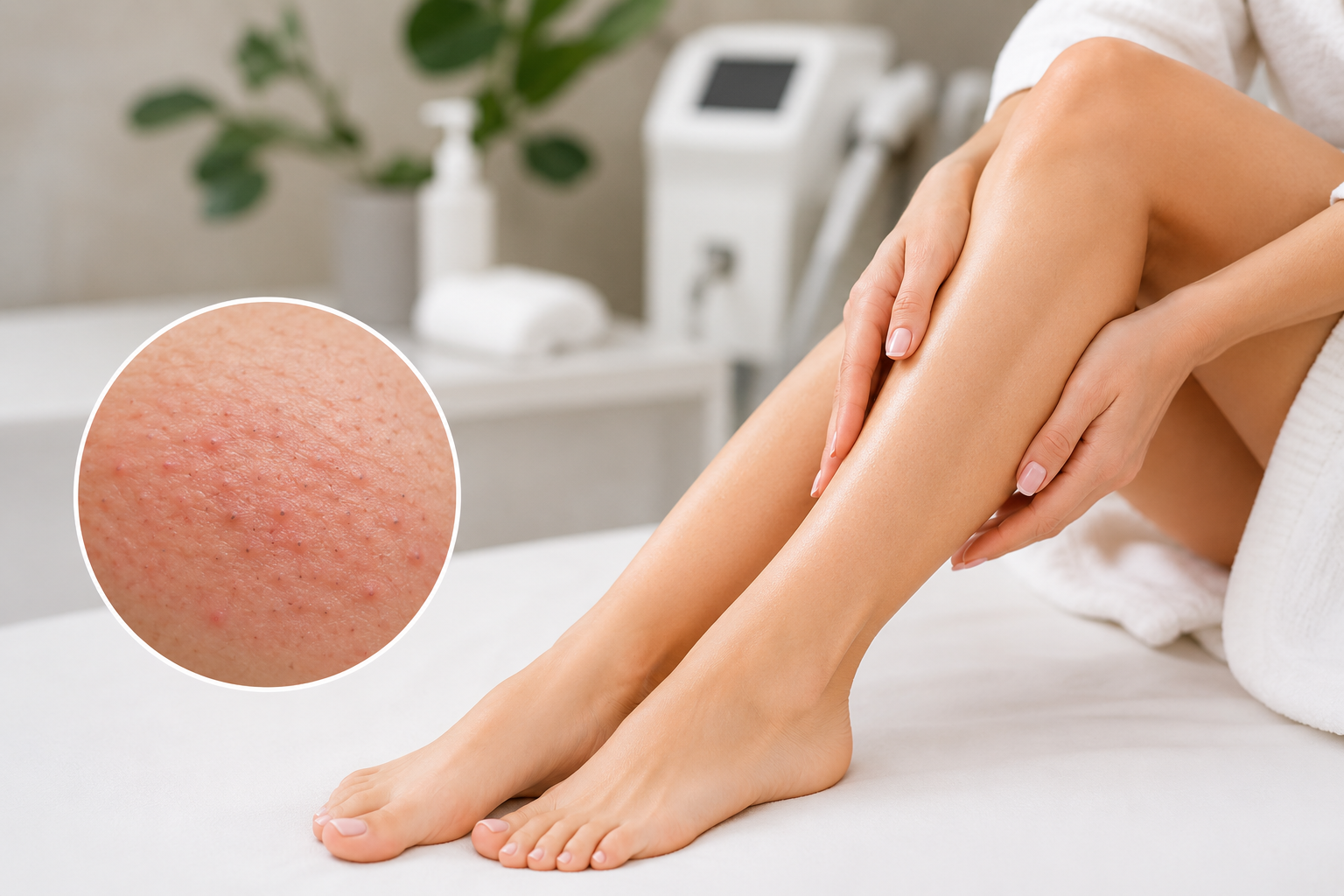
Folliculitis is inflammation of the hair follicles, the small openings in the skin where individual hairs grow from. It usually appears as a cluster of small red or white-tipped bumps grouped around hair follicles. Some cases are mild and resolve on their own. Others are more stubborn, spreading to neighbouring follicles or leaving behind dark spots and scarring if left untreated.
The condition shows up almost anywhere hair grows: the legs, underarms, bikini line, face, chest, or back. Areas that experience repeated friction, heat, or hair removal are especially prone to it.
There are two broad categories worth knowing about:
- Superficial folliculitis affects only the upper part of the follicle and tends to be mild and short-lived
- Deep folliculitis involves the entire follicle, is more painful, and carries a higher risk of scarring if not managed properly
For a lot of people, folliculitis becomes a recurring issue rather than a one-off irritation. That’s especially true when shaving or waxing is part of a regular routine.
What Causes Folliculitis After Shaving or Waxing?
Shaving and waxing are two of the most frequent causes of folliculitis, and the mechanics behind each are a little different.
Shaving
When you shave, the blade cuts hair at a sharp angle, leaving a pointed tip that can curve back into the skin as the hair regrows. This causes ingrown hairs, which in turn irritate the follicle and create the conditions for bacterial infection. Using a dull razor, shaving dry skin, or going against the direction of growth all make things worse.
Waxing
Waxing pulls the hair from the root, which sounds like a cleaner solution, but it creates micro-tears in the skin that give bacteria easy access to the follicle. Staphylococcus aureus is the most common culprit in these cases. For people with coarser or curlier hair, waxing can also trigger pseudofolliculitis, the persistent razor bump type of folliculitis that is particularly common along the bikini line and beard area.
Other Contributing Factors
- Tight clothing that traps sweat and heat against the skin
- Friction from workout gear or underwear
- Underlying skin conditions like acne or eczema that weaken the skin barrier
- A compromised immune system
- Hot tubs or pools with insufficient sanitisation
For people who tick several of these boxes, folliculitis can feel almost impossible to get ahead of. Switching the hair removal method entirely tends to make the biggest difference.
How Laser Hair Removal Helps Treat Folliculitis
Laser hair removal uses concentrated light energy to target the pigment inside hair follicles. The melanin in the hair absorbs the energy, which converts to heat and disrupts the follicle’s ability to produce hair. Over a series of sessions, hair growth in the treated area becomes significantly reduced or stops altogether.
For folliculitis, that matters in several concrete ways.
It Removes the Trigger, Not Just the Symptoms
Most folliculitis treatments focus on managing outbreaks after the fact: topical antibiotics, antiseptic washes, and exfoliants. Laser hair removal takes a different approach by eliminating the hair regrowth that starts the cycle in the first place. No sharp-edged regrowth means no curling back into the skin, and far fewer ingrown hairs.
It Reduces How Often the Skin Gets Disturbed
Every time you shave or wax, you are creating small entry points for bacteria. Laser hair removal cuts down on how frequently you need to do either. Over time, the skin in treated areas stays intact for longer stretches, which gives it a chance to settle and heal.
It Reduces Persistent Redness and Irritation
Many clients notice that the low-grade, chronic redness that comes with frequent shaving starts to fade as they progress through their treatment sessions. As hair thins out and shaving frequency drops, the skin simply has less to deal with.
It Reduces Dependence on Topical Products
People managing folliculitis often build up a routine of multiple products just to keep symptoms at bay. Laser hair removal deals with the underlying issue, which for many clients means simplifying their skincare routine and relying less on ongoing treatments.
A Note on Medical Treatment Laser hair removal is not a clinical treatment for folliculitis and should not replace medical care if you have an active infection. If your folliculitis is spreading, severe, or accompanied by fever, see a dermatologist before starting laser treatment. Laser works best as a preventive tool, reducing the likelihood of future flare-ups rather than treating an active outbreak. |
Secret RF vs Venus Viva: Understanding the Differences
Both Secret RF and Venus Viva are RF-based technologies, but they work differently and suit different goals.
Secret RF (Microneedling + RF)
Secret RF combines microneedling with radiofrequency energy. Tiny needles create controlled micro-injuries while simultaneously delivering RF energy deep into the skin.
Benefits:
- More aggressive collagen stimulation
- Excellent for texture improvement
- Good for scars and rough skin
- Creates more dramatic texture changes
Considerations:
- More downtime (redness for 3-5 days)
- More discomfort during treatment
- Better for texture; skin tightening is secondary benefit
Venus Viva (Vortex RF)
Venus Viva uses radiofrequency with a vortex-fusion technology that creates a specific heating and cooling effect.
Benefits:
- Gentler than Secret RF
- Good skin tightening and texture improvement balance
- Less downtime (1-2 days mild redness)
- More comfortable during treatment
- Good for sensitive skin
Considerations:
- Slightly less aggressive texture improvement than Secret RF
- Results take longer to appear
Which Is Better?
Neither is universally “better”—it depends on your goals. If your primary concern is skin tightening, Venus Viva often works well. If you want aggressive texture improvement with tightening as a bonus, Secret RF is more appropriate.
Is Laser Hair Removal a Permanent Solution for Folliculitis?
It is important to be honest about what laser hair removal can and cannot do here.
The FDA classifies laser hair removal as a method of permanent hair reduction, not complete permanent removal. Most people see a significant drop in hair density across the treated area after a full course of sessions, typically somewhere between 80 and 95 percent. Some hair may return over time, particularly after hormonal changes, but it tends to come back finer and lighter than before.
For folliculitis, the results are often very positive. When the treated area produces little to no hair, the triggers that caused the problem largely disappear. That usually means:
- Significantly fewer ingrown hairs in treated areas, or none at all
- No longer needing to shave or wax those zones regularly
- Less trauma to the skin and fewer opportunities for bacteria to get in
- Many clients report no folliculitis flare-ups in treated areas once they complete their sessions
That said, folliculitis does not always have a single cause. Hormonal factors, certain medications, and underlying skin conditions can all contribute. Laser hair removal addresses the hair removal-related triggers, which for a lot of people is the main cause. If there are other factors at play, those may need to be managed separately with a dermatologist.
Who is a Good Candidate for Laser Hair Removal for Folliculitis?
Laser hair removal is a good fit for a wide range of people, but there are some factors worth considering before starting.
Best Candidates
- People with recurring folliculitis in areas they shave or wax regularly, particularly the bikini line, underarms, or legs
- Those dealing with frequent ingrown hairs or pseudofolliculitis barbae (shaving bumps along the beard area)
- Adults who are not pregnant and are not currently taking photosensitising medications
- Clients with lighter to medium skin tones, who tend to respond most predictably to standard diode laser systems
Candidates Who Need the Right Technology
Clients with darker skin tones can absolutely benefit from laser hair removal, but they need a clinic using equipment designed for that purpose. Nd:YAG lasers, which operate at a longer wavelength that bypasses surface melanin, are the appropriate choice for medium to deep skin tones. The risk of pigmentation changes is real when the wrong laser is used, so choosing a clinic that matches technology to skin type matters a great deal.
Situations to Discuss with Your Provider
- Active folliculitis outbreaks or open skin in the treatment area, treatment should wait until the skin has settled
- Use of isotretinoin (Accutane) within the past six months
- History of keloid scarring
- Certain autoimmune conditions or skin disorders
A proper consultation before starting treatment should cover all of this. A good clinic will not proceed until they are confident the approach is right for your skin.
Experience Skinfinity Mississauga
Location: Winston Churchill Medical Centre, 6975 Meadowvale Town Centre Cir, Mississauga, ON L5N 2W7
Laser hair removal works in stages because hair follicles go through different phases of growth at different times. Laser energy only affects follicles in the active growth phase, which means each session targets a different portion of the hair in the treated area. You need multiple sessions spaced over several months to address the full follicle population.
Number of Sessions
- Most body areas need between 6 and 8 sessions to achieve significant and lasting hair reduction
- Sessions are typically spaced 4 to 8 weeks apart, depending on the area and how quickly hair grows there
- Facial areas tend to need more frequent sessions since facial hair cycles faster than body hair
When Results Start to Show
A lot of clients notice that ingrown hairs and folliculitis-related bumps start to ease up after the first two or three sessions, as the hair thins and shaving becomes less frequent. The more meaningful reduction in folliculitis symptoms usually becomes clear around the midpoint of treatment, with the full benefit coming through once the course is complete.
Maintenance Sessions
Some people find that a maintenance session once or twice a year keeps regrowth in check over the long term. Your provider will be able to advise on this after assessing how your skin has responded.
Mississauga has no shortage of laser hair removal clinics, but the quality and approach can vary quite a bit, especially if folliculitis is part of the picture.
The first thing to look for is a clinic that conducts a proper consultation before any treatment begins. A provider who takes the time to understand your skin tone, hair type, problem areas, and history with folliculitis is far more likely to put together a treatment plan that actually works for you.
Technology is the other big consideration. Diode lasers work well for a broad range of clients, while Nd:YAG systems are important for anyone with a medium to deep skin tone. A clinic that uses one device for every client regardless of skin type is one to be cautious about.
Skinfinity Aesthetics is a Mississauga-based clinic that offers laser hair removal consultations tailored to each client, including people managing folliculitis. If you are looking for laser hair removal in Mississauga and want a team that will actually look at your skin before starting, it is worth getting in touch.
Frequently Asked Questions
The best clinics in Mississauga are the ones that take your specific skin type seriously before recommending anything. Look for medical-grade equipment, certified technicians, and reviews from people with a similar skin tone or concern to yours. Skinfinity Aesthetics is one Mississauga option that focuses on personalised treatment, including for clients with recurring folliculitis.
Per-session pricing for full legs in Mississauga generally falls somewhere between $150 and $350, depending on the clinic and the technology used. Clinics that offer package pricing for a full course of sessions usually work out to a lower per-session cost than paying individually. Always ask exactly what is included since some quotes cover the lower leg only, while others include the full leg and knee.
Yes, most clinics in and around Mississauga offer bundled packages that reduce the overall cost compared to booking sessions one at a time. It is worth asking about seasonal promotions or introductory offers too. Just make sure a lower price point is not a sign of outdated equipment or less experienced staff, particularly if you have a skin concern like folliculitis that needs careful handling.
Advanced systems you should ask about include diode lasers and Nd:YAG platforms, both of which are well-suited to treating folliculitis across different skin tones. Devices from manufacturers like Candela, Cutera, and Lumenis are generally considered reliable benchmarks. When you call to enquire, ask the clinic directly which laser they use and whether it is appropriate for your skin tone. A clinic confident in its equipment will have no trouble answering that question.
Not in every case, and it is worth being honest about that. What laser hair removal does well is remove the main trigger for most people, which is the regrowth and ingrown hair cycle that comes from shaving and waxing. For the majority of clients, that is enough to stop folliculitis from flaring up in treated areas. But if your folliculitis has other contributing factors like hormonal issues or an underlying skin condition, those may still need attention from a dermatologist.
In treated areas, folliculitis typically becomes rare or disappears entirely once a full course of sessions is complete. If some hair regrowth occurs over time and shaving resumes, there is a chance of some folliculitis returning, though the hair that comes back is usually finer and less problematic than before. Maintenance sessions can help keep that regrowth minimal. In areas that were never treated, folliculitis can of course still occur.
It can be, and in many cases it genuinely improves sensitive, folliculitis-prone skin over time. The key is choosing a clinic that knows how to adjust laser settings for sensitive skin and that will do a patch test before treating a full area. Treatment should not be done over an active outbreak; the skin needs to be calm before each session. A thorough consultation will help your provider identify the right approach.
Most people describe the sensation as a quick snap, similar to a light rubber band flick against the skin. For clients whose skin is already sensitive due to folliculitis, the area may feel slightly more tender than average. Most modern laser systems have built-in cooling that makes the experience more comfortable. If you are worried about discomfort, ask about topical numbing cream before your first session. The sensation typically becomes easier to tolerate as the hair thins out through treatment.

Director, Aesthetician at Skinfinity Aesthetics
Request a Consultation
LIMITED APPOINTMENTS AVAILABLE